




Western Ferries has reported an increase in profits after costs fell during its most recent financial year.
The firm, which runs the frequent service between Gourock and Dunoon, made a profit before tax of £3.46 million for the year ended March 31, up from £2.87m the year before, accounts newly filed at Companies House show.
Profits at Western Ferries (Clyde) climbed as operating expenditure decreased to £7.71m from £7.82m, which Western said was mainly attributable to lower fuel and docking costs, while turnover rose to £10.78m from £10.45m.
Western revealed in May that it had placed an order with English shipyard APCL Cammell Laird to build two car and passenger vessels to serve the 20-minute crossing between Hunter’s Quay in Dunoon and McInroy’s Point in Gourock.
Gordon Ross, the firm's managing director, said: “The management is very happy with the company’s financial performance - it has given us confidence to go out and purchase two new vessels.
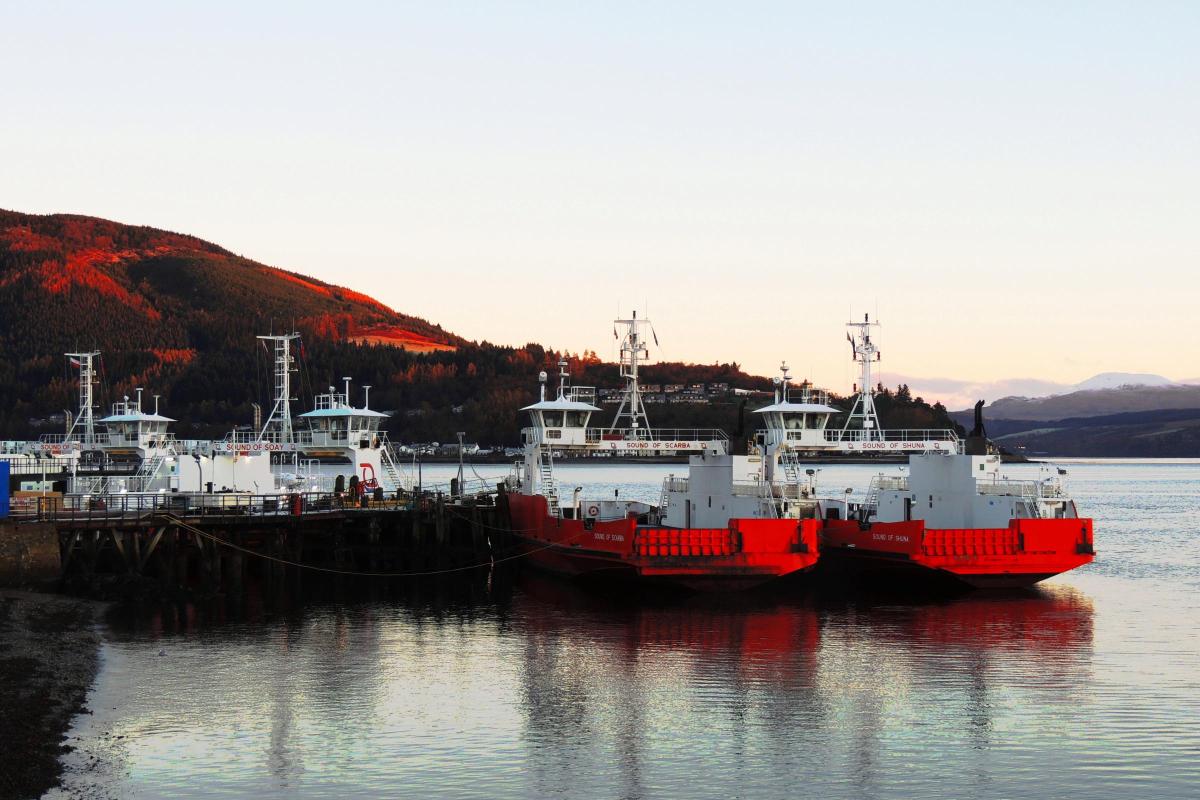
“We currently have four vessels, that were built in 2001, 2003, and two in 2013, so that gives an average age of 16 or 17. The 2001 and 2003 boats have been well maintained, well looked after, and could continue to operate for another five, seven years.
"We are very proud of our service resilience and robustness and to ensure that we can continue to provide that level of service to our customers, the time was right to invest in new boats.”
The two new vessels, which represent a total investment of £21.6m by Western, are on schedule to be delivered to Glasgow in late summer 2026.
Cammell Laird hosted the keel laying ceremony for the first of the new car and passenger ferries, the MV Sound of Scalpay, in late November. The second of the new ferries will be called the MV Sound of Sleat.
READ MORE:
- Construction milestone for new Western Ferries vessel the MV Sound of Scalpay
- Western Ferries says two new vessels will be built at Merseyside shipyard
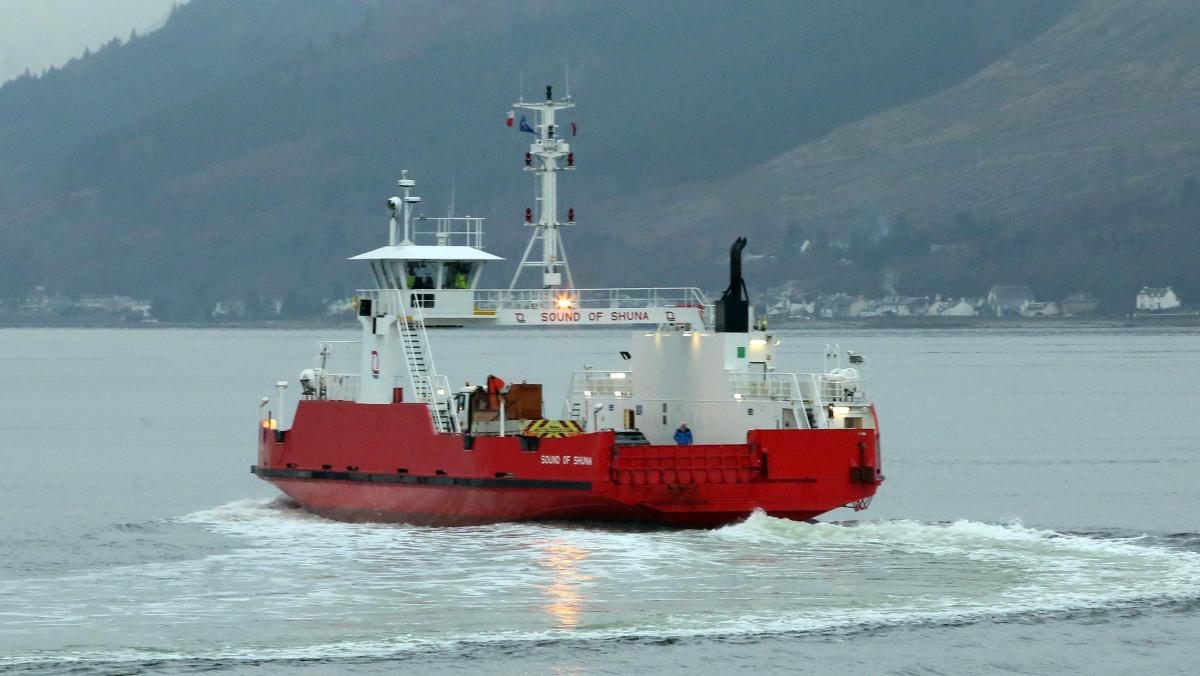
- Western Ferries mark 52 years of Sound of Shuna sailing from Gourock to Dunoon
- Ferry staff praised after mum's waters broke and couple had to rush to hospital
- Scenes for Channel 4 drama starring The Last of Us actress filmed on Gourock ferry
“Cammell Laird are doing a fantastic job,” Mr Ross said. “They are delivering on schedule, so we have no reason to think we will not have these new boats late summer.”
Mr Ross added: “We obviously considered various powering options [for the new vessels] and the most efficient is using diesel. However, the new vessels have been designed [so] that they can be retrofitted to accommodate new powering solutions over their useful economic life.”
The new vessels are being built to 'essentially' the same design as the two ferries which the Merseyside yard built for the Scottish company, the MV Sound of Seil and the MV Sound of Soay, in 2013.
Those ferries have been hailed as 'stalwarts' of Western’s four-vessel fleet, contributing to the delivery of around 32,000 sailings per year.
Western will consider its options for the two older vessels in the fleet once the new ones are delivered. At least one may be retained by the company if there is demand for more sailings on its Gourock to Dunoon route.

The service is now established as an alternative route for motorists during periods of disruption caused by landslides at the A83 Rest and Be Thankful, and Western may see demand increase when Transport Scotland gets work under way on a major long-term project designed to solve the landslide problem.
“If we could see an uplift in business, it is an argument for retaining at least one of the vessels to provide the additional frequency and the additional capacity,” Mr Ross said.
Mr Ross declared the new vessels mark the company’s biggest capital investment in some time.
“It has taken us a long time to build up the reserves to be able to afford these vessels,” he said.
“We have not undertaken any significant capital expenditure for many years, because that is how we have to do it.

“We have to be cautious; we can’t over-extend the company. We don’t have the hundreds of millions that CMAL (Caledonian Maritime Assets Limited, the public body which procures vessels for the CalMac fleet) has to spend. We can’t draw down on taxpayers’ money; we have to do it on a commercial basis.”
In addition to the investment in new vessels, Western has submitted a planning application to enhance its existing berthing facilities at Kilmun.
Mr Ross, who has worked for Western for 21 years, said that while the company is seeing the number of carryings it undertakes increase, the number remains below the pre-Covid level. He cited the impact of changed patterns of work, study, and shopping that arose during the pandemic.
The accounts show Western employed an average of 70 people during the period, compared with 72 the year before.


Share